Key takeaways
- The old lawn comes out and the soil is prepared first.
- Grading controls drainage and smoothness.
- Sod is laid in staggered rows with tight seams.
- Rolling and the first watering get roots started.
Step one: remove and prepare
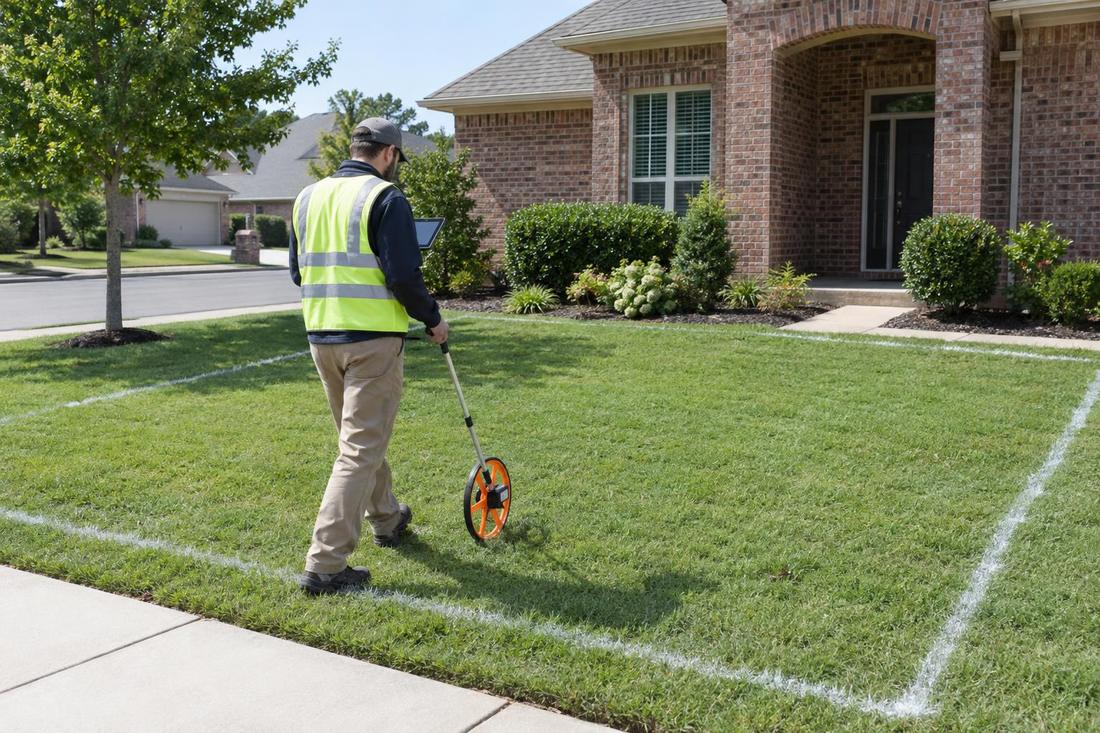
Old turf is cut out, debris is cleared and the soil is tested. Weeds are treated and compacted ground is loosened, often by tilling, and compost or topsoil is added where needed.
This is where most of the work happens.
Step two: grade and finish
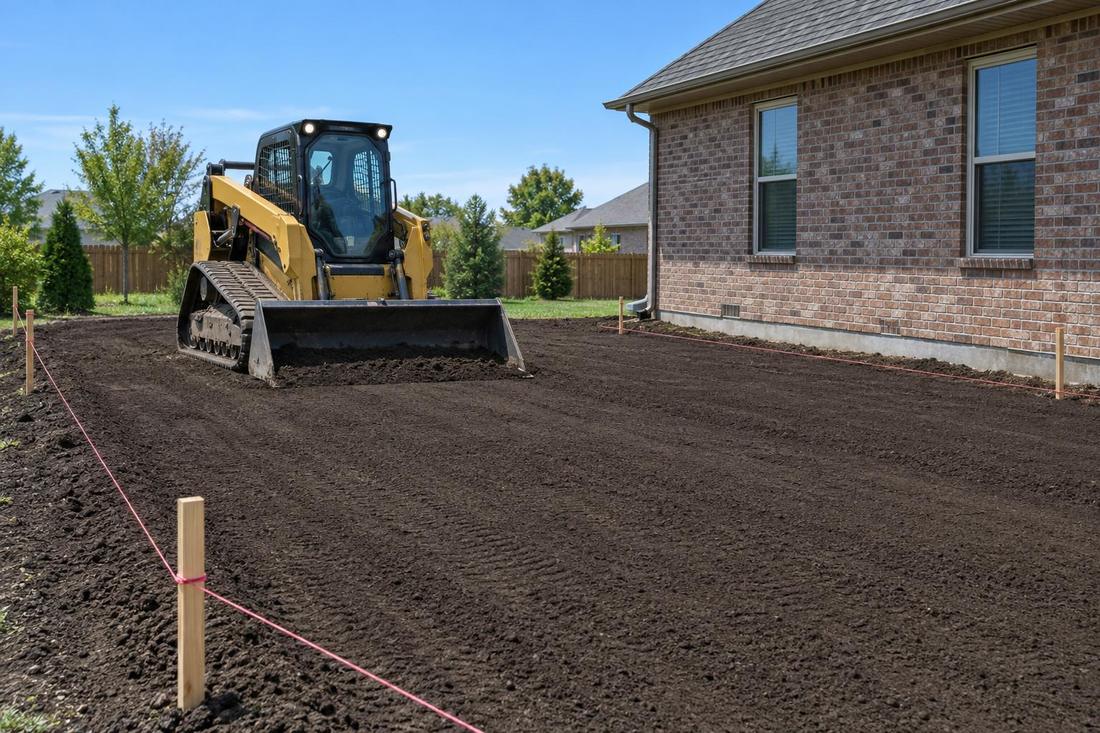
The surface is graded to carry water away from the house and raked smooth. The finished grade sits slightly below walks and driveways so mowers clear them and soil does not wash onto hardscape.
A smooth bed makes a smooth lawn.
Step three: lay the sod
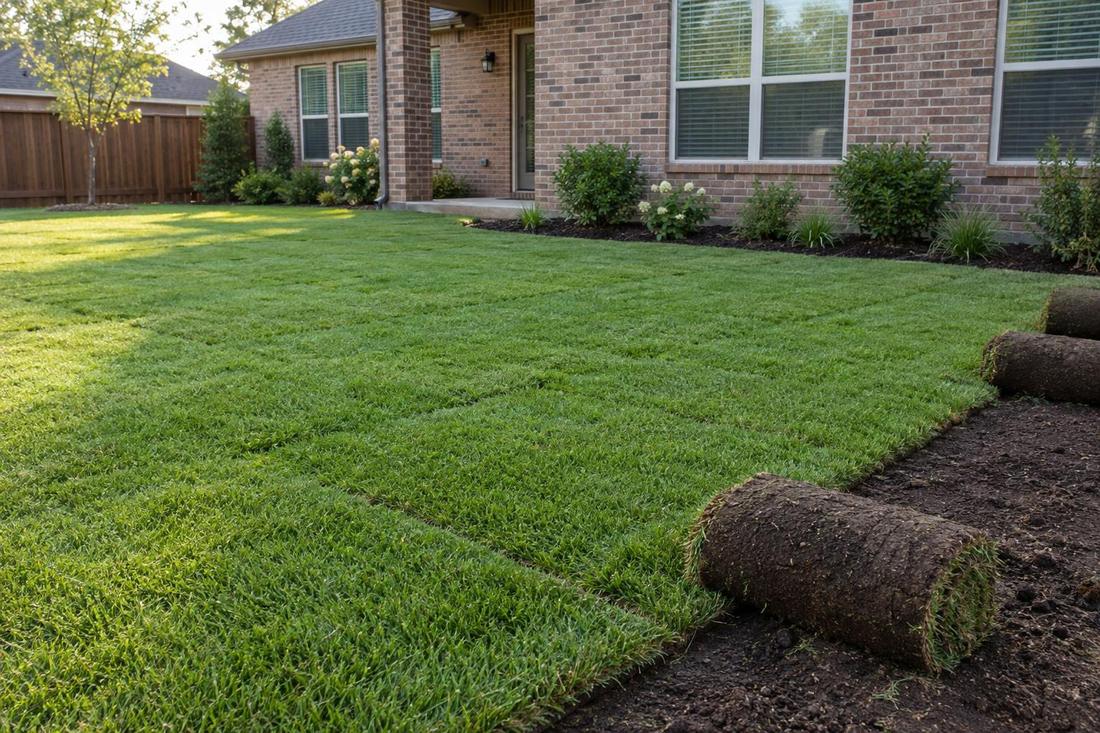
Sod is laid in rows like bricks, with seams staggered and pieces fitted tightly without overlap or gaps. Edges are trimmed around beds, trees and walks. Sod is not stretched, and small slivers are avoided.
On slopes, rows run across the grade and are staked where needed.
Step four: roll and water
A roller presses the sod into the soil for contact, and a thorough first watering soaks the sod and the soil beneath.
We then give homeowners around Nashville a schedule for the first two weeks.
Quick answers
How long does installation take?
Many residential lawns take one to three days, depending on size and prep.
Do I need to be home?
Not for the whole job, but we walk the finished lawn with you at the end.