Key takeaways
- Sod gives an instant lawn and works in more seasons.
- Seed is gentler on a tight schedule but slow and fragile.
- Slopes and erosion favor sod.
- Either way, soil preparation decides the result.
What sod does well
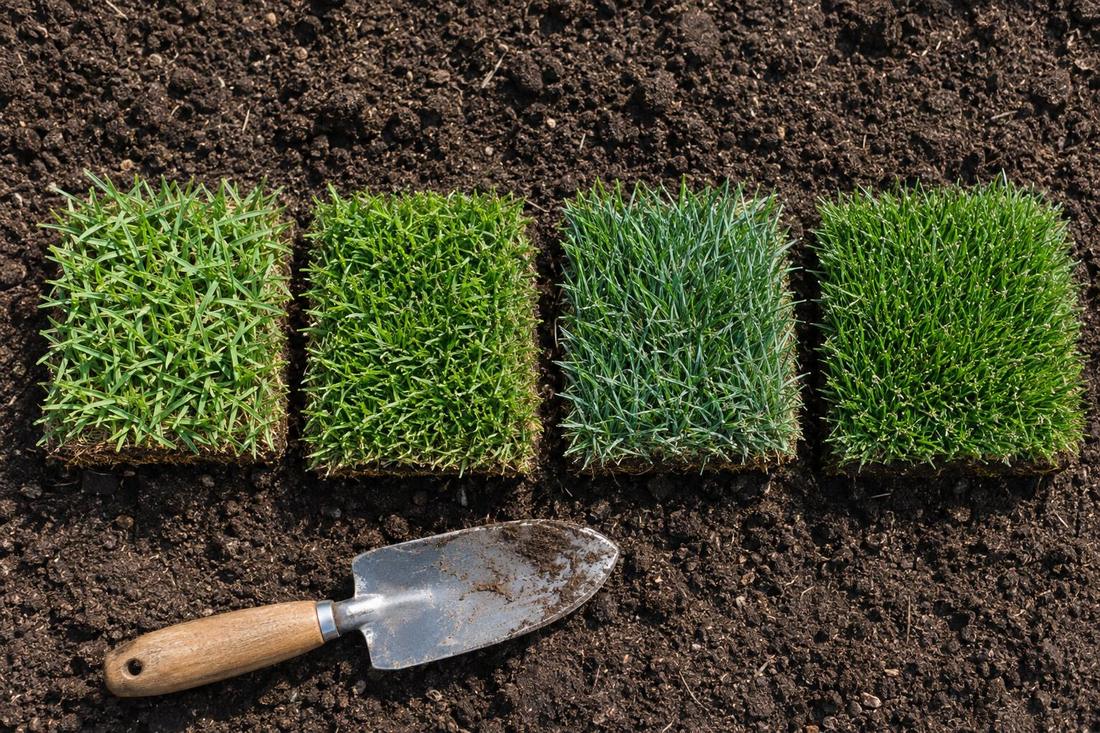
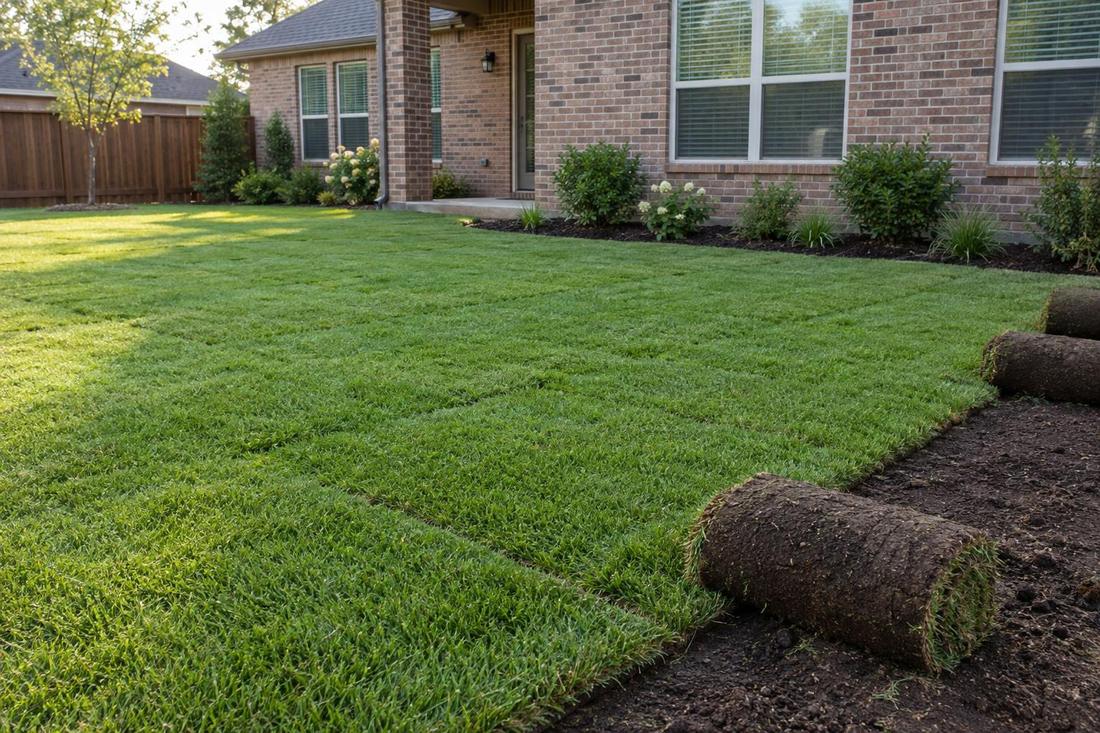
Sod gives you a finished lawn the day it is laid. It suppresses weeds right away, holds soil on slopes and can be installed across a wider window of the year. For busy families, new homes and slopes, it is often the practical choice.
It needs careful watering for the first weeks and is a larger investment up front.
What seed does well
Seed is flexible and can be an economical way to establish a lawn, particularly cool-season grasses in fall. It takes longer to fill in, is vulnerable to washouts and weeds and needs a narrow planting window.
It works well for overseeding thin lawns.
Where each one fails
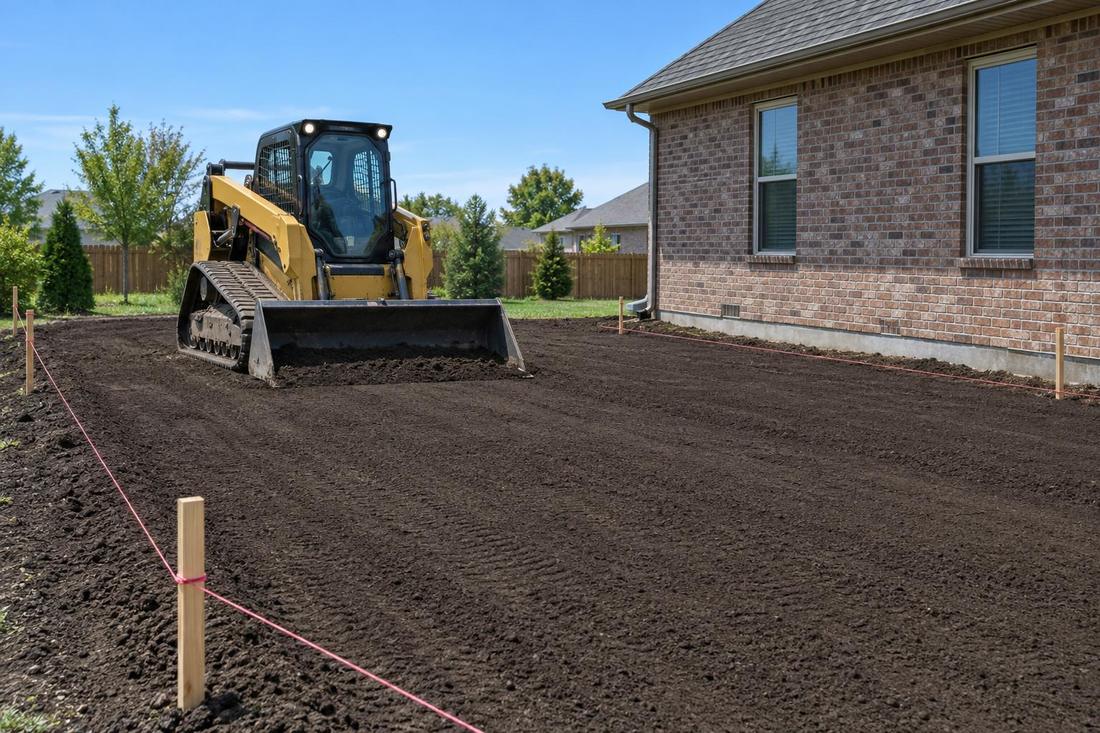
Sod fails when laid on poor soil or watered badly. Seed fails when it washes away, dries out or is smothered by weeds. Both fail on compacted clay that has not been prepared.
In shade, neither will thrive without enough light.
How to decide
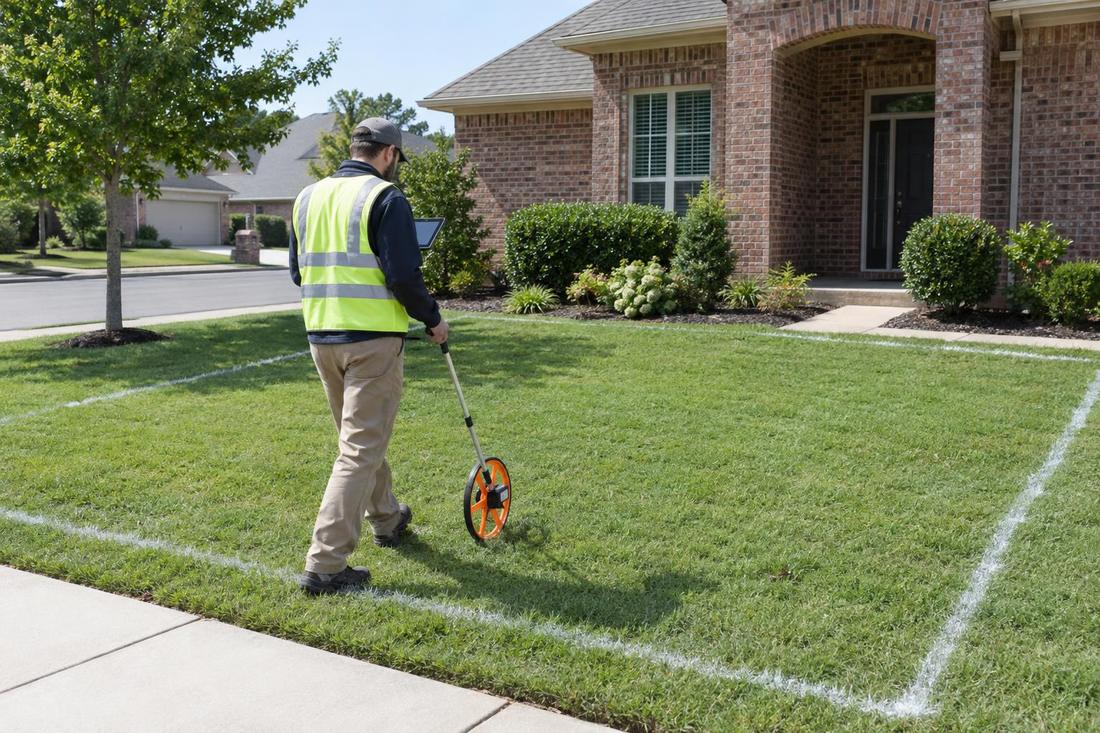
Think about timing, slope, effort and how soon you want to use the lawn. A site visit makes the choice clear.
Many homeowners around Nashville use sod in the front yard and seed in low-use areas.
Quick answers
Is sod always better?
Not always. Seed can be a good choice for large, flat areas and cool-season overseeding.
Can I mix sod and seed?
Yes. Many lawns use both, in different areas.