Key takeaways
- Ask what happens to the soil before the sod goes down.
- Look at lawns installed a season or two ago, not only new ones.
- A written scope should name the grass, the prep and the aftercare.
- Be wary of anyone who quotes without looking at your yard.
Step one: ask about the prep
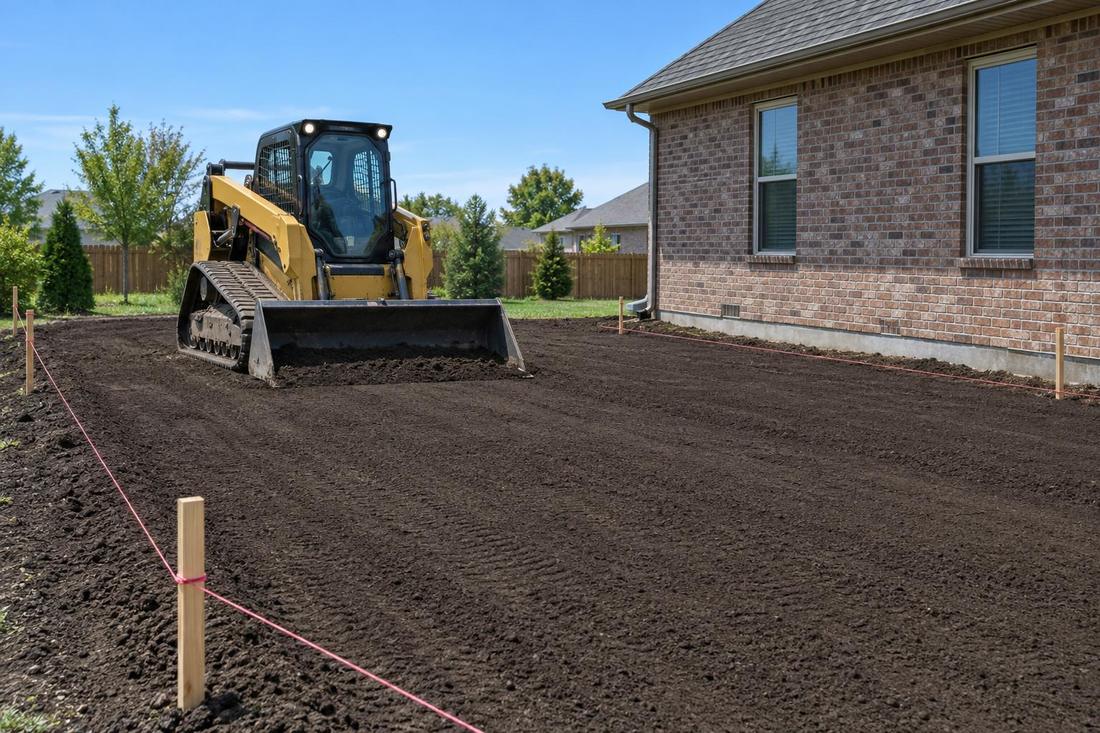
Most sod failures start below the surface. Ask how the old lawn will be removed, how the soil will be graded and loosened, whether drainage will be corrected and what amendments will be added. A good company explains this clearly and shows photos of prepared ground before sod goes on.
If the answer is just that they lay sod, keep asking.
Step two: look at older lawns
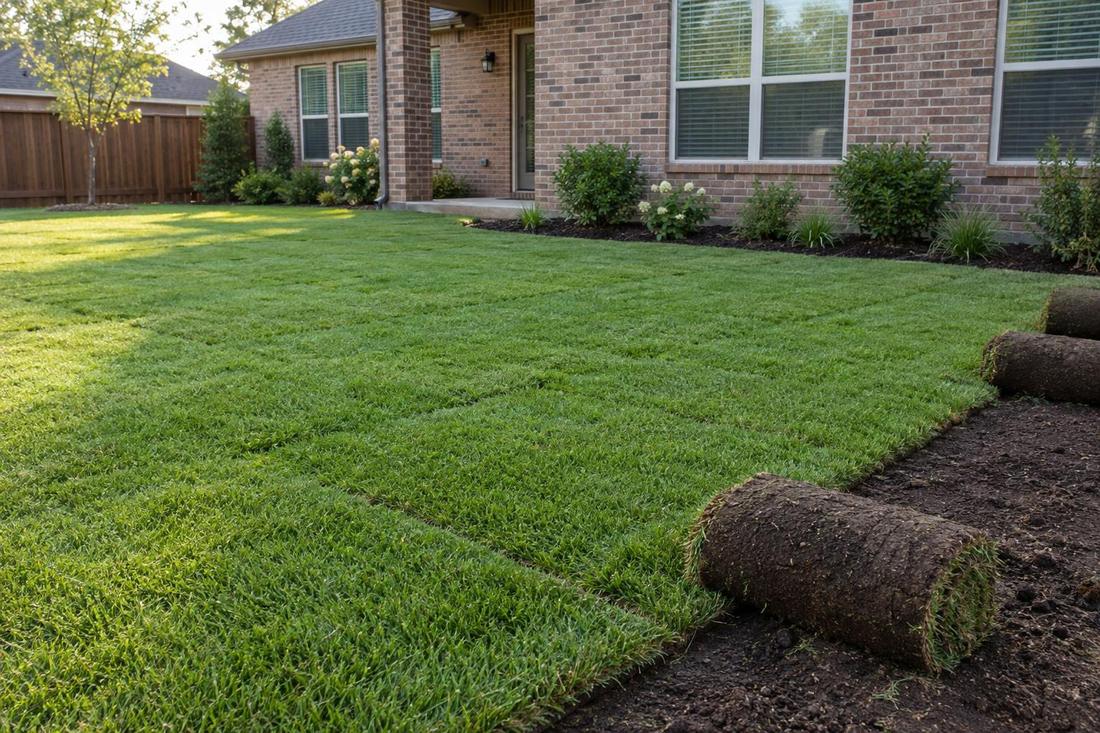
New sod always looks good. Ask to see lawns that have been through a summer and a winter. Check seams, color, density and how the lawn handles shade and wear.
Ask what the company does when a section fails and who you call.
Step three: compare scopes, not just totals
Two proposals can cover very different jobs. Check whether each includes removal and haul-away, grading, soil work, the sod type and grade, delivery, rolling, a watering plan and cleanup.
A vague line such as install sod makes comparison impossible. Ask for the grass type by name and for the scope in writing.
Step four: trust a clear process
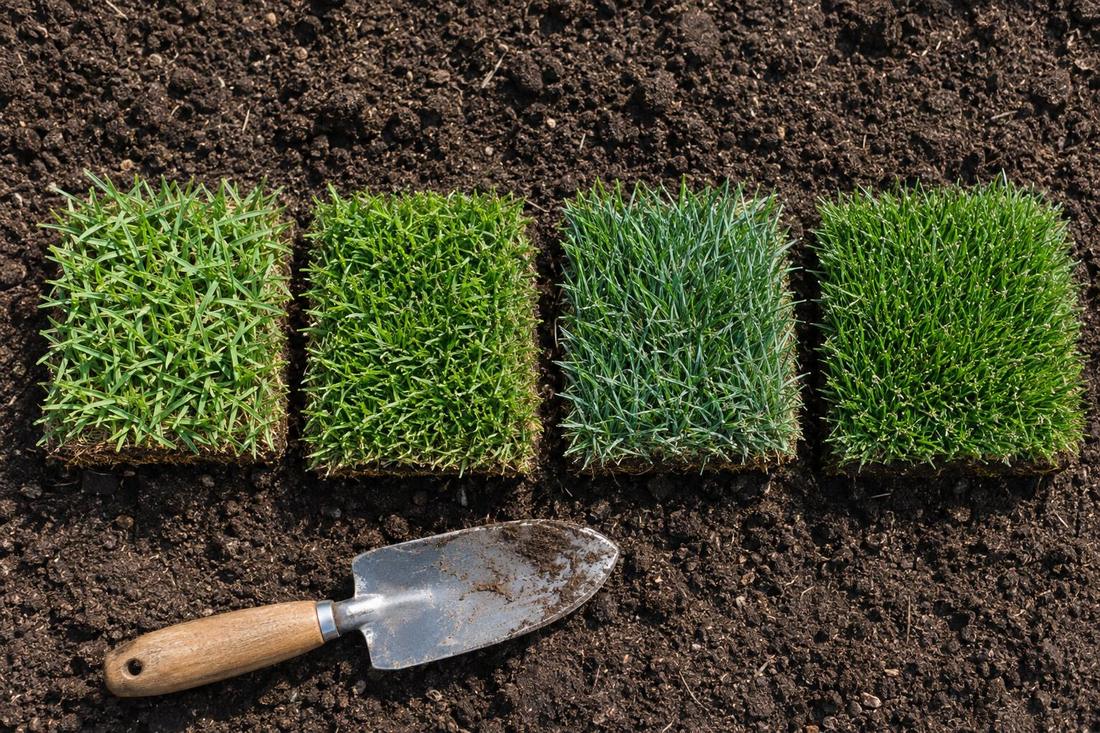
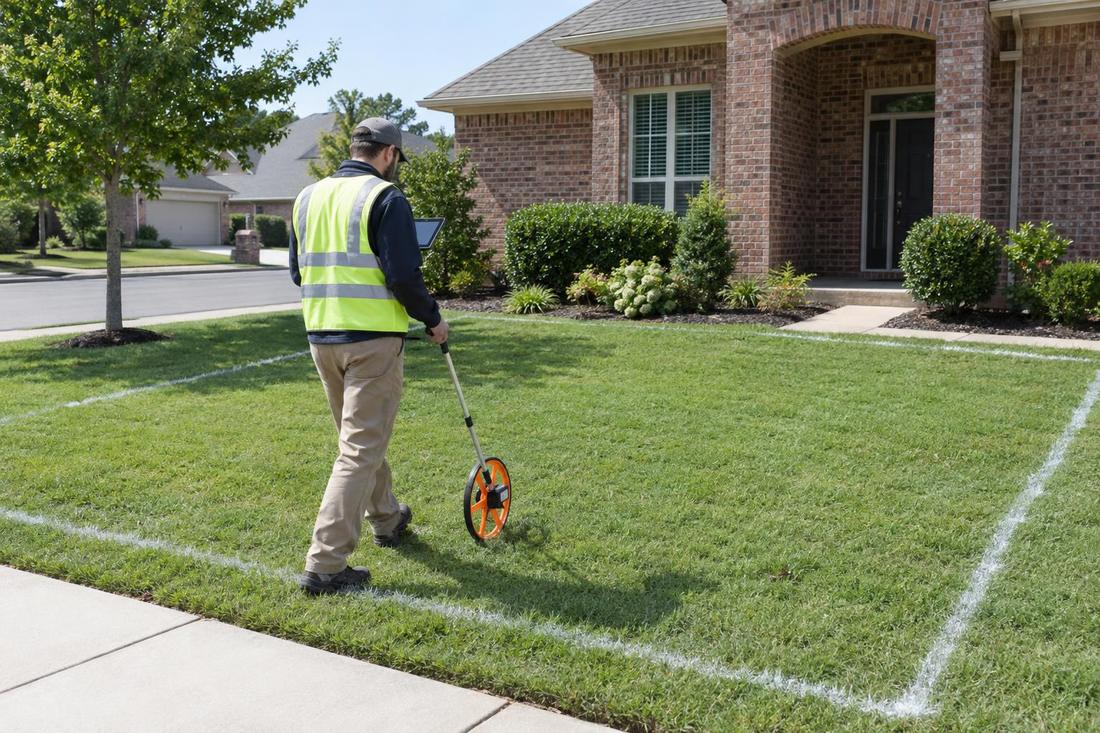
A good company visits, measures, tests the soil, shows samples and explains the steps. Pressure to decide on the spot is a warning sign.
We follow that approach for homeowners across Nashville and Middle Tennessee, with a site visit, a plan and written scope before we start.
Quick answers
Should I get more than one opinion?
For a large lawn or a full replacement, yes. Compare what each company noticed and proposes.
What should the company leave behind?
A clean site and a clear care plan for the first weeks.